
How social media has transformed events: when the audience becomes the show
28 October 2026
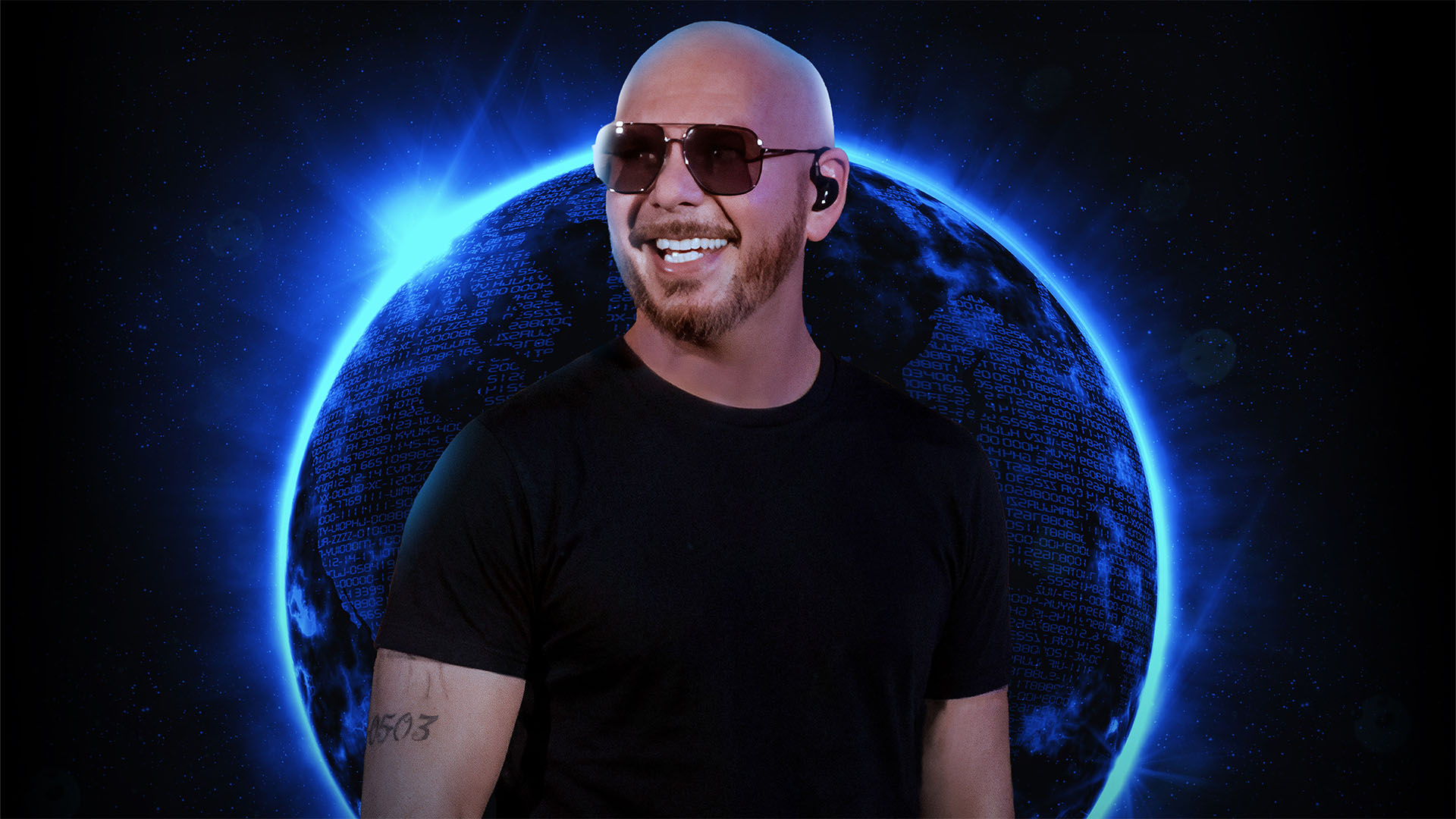
For a long time, the concert experience was all about what happened on stage. Today, social media has changed the game. TikTok, Instagram and X allow audience members to share, replicate and amplify certain trends to the point where they become cultural phenomena in their own right. Few artists illustrate this shift as well as Pitbull.
From mere spectators to active participants
Over the years, Pitbull has cultivated an instantly recognisable look: a bald head, sunglasses and a dark suit. It’s a style that has become so iconic that fans have started copying it at his concerts.
What began as a minor trend has gradually gained momentum thanks to social media. Videos showing whole groups of fans dressed up as ‘Mr. Worldwide’ have proliferated on TikTok and Instagram. Each post has inspired other fans to join in at the next gig.
In just a few years, going to a Pitbull concert without dark glasses or a fake bald cap has almost become the exception.
When social media creates its own traditions
What makes this phenomenon particularly interesting is that it wasn’t conceived by the artist or their team. It emerged directly from their community.
Social media has enabled this practice to spread from city to city and from country to country, until it has become a genuine international tradition. Whereas, in the past, memories of a concert were largely confined to the venue itself, they are now shared instantly with millions of users.
These days, events unfold just as much in the stands as they do on stage
Pitbull: a phenomenon that has set a world record
The impact of this trend reached unprecedented levels in July 2026 at the BST Hyde Park in London. Thousands of spectators turned up dressed as Pitbull, helping to set the world record for the largest gathering of people wearing fake bald wigs. More than 22,000 participants were officially counted by Guinness World Records.
It’s hard to imagine a better illustration of the power of social media. A simple joke among fans has become a global tradition, and then an officially recognised world record.
A new way to experience events
This phenomenon is not limited to Pitbull. Many artists today are seeing the emergence of dress codes, choreographed routines, the exchange of objects or moments specifically designed to be shared online.
Social media has transformed the way audiences experience events. It has created communities capable of extending the experience far beyond the concert hall and of developing their own traditions.
In this new ecosystem, the success of an event is no longer measured solely by the number of spectators in attendance. It is also measured by its ability to create a moment that is powerful enough to be revisited, shared and reimagined by the fans themselves.
And if proof of this shift were needed, one need only look at a crowd of thousands of ‘fake Pitbulls’ gathered to celebrate the same artist. A scene that would have been unthinkable just a few years ago has now become one of the most striking symbols of the social media era.
It remains to be seen how many ‘Mr. Worldwide’s’ will answer the call on 11 November.
You might also like
-
-
-
-
-
-
 News
These international artists who have chosen Lyon-Décines as a stop on their tour
October 13, 2026